
The six ingredients, one by one

Alpha-Lipoic Acid
Antioxidant defense

Magnesium Glycinate
Nerve signaling

Coenzyme Q10
Cellular energy
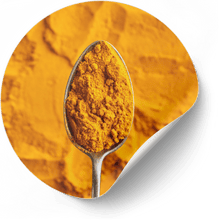
Turmeric (Curcumin)
Calms inflammation
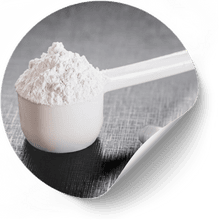
L-Carnitine
Energy & repair

Butcher's Broom
Circulation
1. Alpha-Lipoic Acid (ALA) — the antioxidant heavyweight
ALA is unusual: it's both water- and fat-soluble, so it can reach nerve tissue almost anywhere in the body. It neutralizes free radicals and helps regenerate other antioxidants like vitamins C and E. It's the single most-studied nutrient for nerve comfort, frequently examined for its effect on tingling, burning and numbness. Targets: oxidative stress.
2. Magnesium Glycinate — for calm, steady signaling
Magnesium is a gatekeeper for nerve and muscle signaling; low levels are linked to twitching, cramps and heightened nerve excitability. The glycinate form matters — it's gentle on the stomach and highly absorbable, unlike cheaper oxide forms. It also supports relaxation and sleep, which is why it's a smart choice when nerve discomfort keeps you up at night. Targets: over-excitable signaling. (Form quality is a key thing to check on any label.)
3. Coenzyme Q10 — fuel for hungry nerves
Nerves are metabolically demanding, and CoQ10 is central to how cells produce energy inside their mitochondria. It doubles as an antioxidant, protecting those energy factories from damage. As we age, natural CoQ10 levels fall — one reason it's a popular addition to nerve formulas. Targets: energy shortfall + oxidative stress.
4. Turmeric (Curcumin) — the inflammation calmer
Curcumin, the active compound in turmeric, is one of the best-known natural anti-inflammatories. Since low-grade inflammation keeps nerves irritated and over-sensitive, calming it can help ease discomfort. It also contributes antioxidant activity and supports healthy circulation. Targets: inflammation.
5. L-Carnitine — energy and nerve repair
L-carnitine helps shuttle fatty acids into mitochondria to be burned for energy, and it's specifically studied for supporting nerve regeneration and protecting nerve cells from oxidative stress. It pairs naturally with CoQ10 on the "cellular energy" side of the equation. Targets: energy shortfall + repair.
6. Butcher's Broom — better blood flow to the nerves
Nerves can only be as healthy as their blood supply. Butcher's broom is a traditional circulation herb that supports healthy blood vessels and helps reduce swelling — improving the delivery of oxygen and nutrients to nerve tissue. Targets: poor circulation.
Notice how the six ingredients cover all four cellular problems from Neuropathy 101 — antioxidants (ALA, CoQ10), signaling (magnesium), energy (CoQ10, L-carnitine), inflammation (turmeric) and circulation (butcher's broom). That combination is exactly why multi-ingredient nerve formulas exist, rather than single pills.
How to choose a nerve supplement that's worth it
Once you know the ingredients, judging a product gets much easier. Run any formula through this quick checklist:
| What to check | Why it matters | Green flag |
|---|---|---|
| Covers all four targets | Nerves fail in multiple ways at once | Antioxidant + energy + anti-inflammatory + circulation |
| Bioavailable forms | Cheap forms are poorly absorbed | Magnesium glycinate, not oxide |
| Transparent label | Hidden "blends" hide tiny doses | Named ingredients you can research |
| Quality manufacturing | Safety and consistency | Made in a GMP / FDA-registered facility |
| Money-back guarantee | Nerves respond slowly; you need time | 60 days or more, no-questions refund |
💡 Set realistic expectations
- Nerves heal slowly — give any formula 8–12 weeks of consistent daily use.
- Supplements support nerve health; they don't replace treating the cause or your doctor's plan.
- Pair them with the habits from Neuropathy 101 for the best shot at relief.
Want to see these six ingredients in one real product?
We analyzed Nervolyn, a plant-based formula built around all six of the nutrients above. See how it stacks up against this exact checklist — the honest pros, the cons, and the price.
Read our full Nervolyn review →Frequently asked questions
What is the best ingredient for nerve support?
Alpha-lipoic acid has some of the strongest research for nerve comfort — it's a potent antioxidant often studied for tingling and burning. But nerves benefit most from a combination that also covers circulation, cellular energy and inflammation. No single ingredient does everything.
Do nerve support supplements really work?
Results vary by person and cause. Nutrients like alpha-lipoic acid, B vitamins and magnesium have research supporting nerve comfort, especially where deficiency or oxidative stress is involved. A good supplement complements healthy habits — it isn't a cure and works best alongside blood-sugar control, movement and medical care.
How do I choose a good nerve supplement?
Pick a formula that covers all four cellular problems (antioxidant defense, circulation, energy, inflammation) using recognized ingredients like ALA, magnesium glycinate, CoQ10, L-carnitine and turmeric. Prefer transparent labels, bioavailable forms, GMP manufacturing and a solid money-back guarantee.
How long do nerve supplements take to work?
Nerves recover slowly. Some people notice reduced tingling within a few weeks, but most nutrient approaches are best judged over 8–12 weeks of consistent daily use. Give any formula at least two to three months.